
Contact us
FEEL FREE TO CONTACT & HIRE US !!
Based on your project needs, we will develop a custom quote to meet your goals. Give us a call at (630) 377-7766 or email bryan@directpushonline.com to see if we can help complete your scope of work!
Contact Us to discuss your project
Contact Direct Push Analytical Corp. and take the guesswork out of tracking plumes and solve your environmental issues.
Our locations
-
Chicago Region:
4N969 Old LaFox Road Unit E St. Charles, IL 60175 -
Cincinnati Region:
1221 Oberting Road Lawrenceburg, IN 47025
HOURS
- Mon-Fri : 8AM-5PM
- Emergency/After Hours = 513-702-7298
Email address
questions / answers
Frequently asked questions
What is your availability?
We are the Quick Turn Specialists and due to having multiple office locations and multiple drillers/rigs, we can typically complete a job as soon as the Dig Ticket Clears, depending on resources needed.
What type of Rigs do you operate?
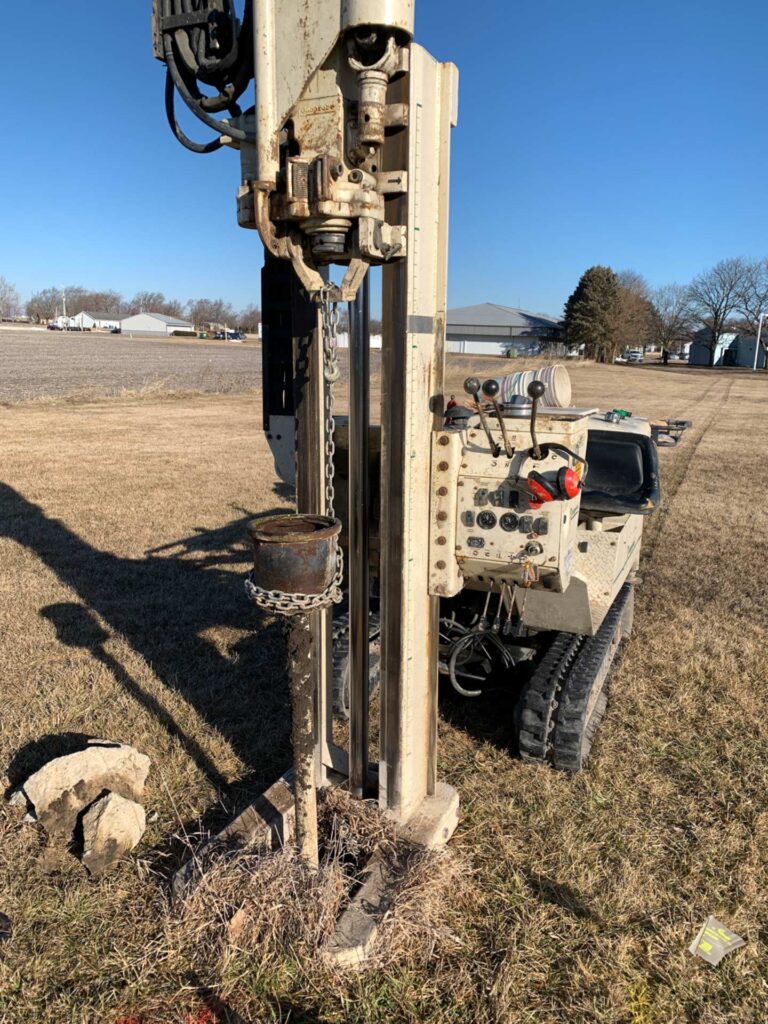
We own and operate Geoprobe Brand Rigs which includes (2) Track Mounted Geoprobe 54DT’s, (2) Truck Mounted Geoprobe 5400’s, a Geoprobe Track Mounted 66DT (that can turn augers) and a low profile, HandCart Geoprobe for tight access locations. We also have access to a Geoprobe 7822DT thru a rental supplier, if needed. Go to our xxxyyy page (hypertext here to chart) to see a table showing the clearances needed for each of these rigs.
Our EquipmentDo you have experience with X,Y and Z?
26 years, 27 states and more than 5,449 completed projects. Collectively, our staff has more than 88 years of environmental industry experience…not bad when you consider this is mainly between 4 guys. Frankly, if it can be done with a Geoprobe, we HAVE & CAN DO.
What Areas do you Service and how far will you travel?
Our motto has always been “Have Bags, will travel”. Of course, the mob/demob and per diem fees have to make sense for the project. We find ourselves mostly working in the Midwest and primarily within a 5 hour radius of either our Cincinnati or Chicago Regional Offices. States we conduct the most work in include, Illinois, Indiana, Iowa, Kentucky, Michigan, Missouri, Ohio, Pennsylvania, Tennessee and Wisconsin, but we will go where the job takes us.
Do you provide Field Support Services?
We have Degreed Geologist on staff, and a Chemist with Master’s Studies in Hydrogeology who has practiced as a Consultant in the past. We don’t prepare reports, however, if your job requires an On-Site Geologist for logging and sample collection, and it doesn’t make sense to fly one in, we can provide this service or other Field Support Services.
What Differentiates Direct Push Analytical Corp. from it’s Competitors?
Our employee’s take exceptional pride in the work they do and are trained for success in the field by a Former Consultant and Major Oil Company Environmental Engineer who understands what you need, which translates to satisfied customers. We jump thru the hoops, so you don’t have to. No Short Cuts. Highest (as Documented) Work Ethic for reliable performance, each and every time. Tested and Measured as the Premier Geoprobe Service Provider in the Midwest and possibly each of the 27 States in which we have worked. Professional Grade, all the way – as documented by Your Peers!